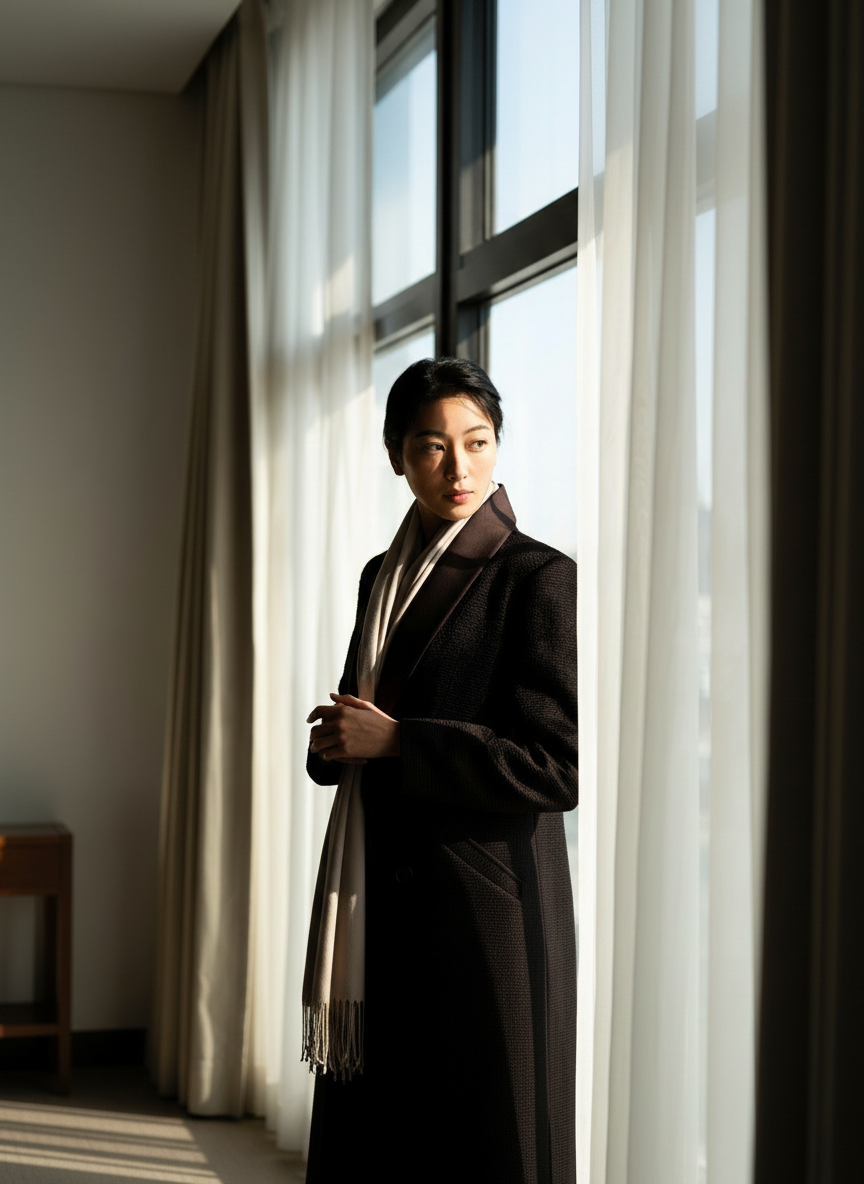
Neuroscience, Not Vanity
The relationship between material quality and human psychology is not a matter of vanity or conspicuous consumption. It is grounded in neuroscience, behavioural research, and centuries of empirical observation about how the objects we surround ourselves with shape our internal states. Understanding this relationship is essential to understanding why In Your Wardrobe documents material culture with the seriousness we bring to every feature.
Enclothed Cognition: Clothing Shapes Thinking
The phenomenon researchers call ‘enclothed cognition’ demonstrates that clothing does not merely reflect how we feel; it actively shapes how we think and behave. Studies have shown that wearing garments associated with attentiveness (such as a doctor’s coat) measurably increases the wearer’s cognitive focus, even when the garment has no functional relationship to the task at hand. The symbolic meaning of clothing is internalised, altering neural processing and behavioural outcomes.
Tactile Neuroscience: 45 Miles of Nerve Fibres
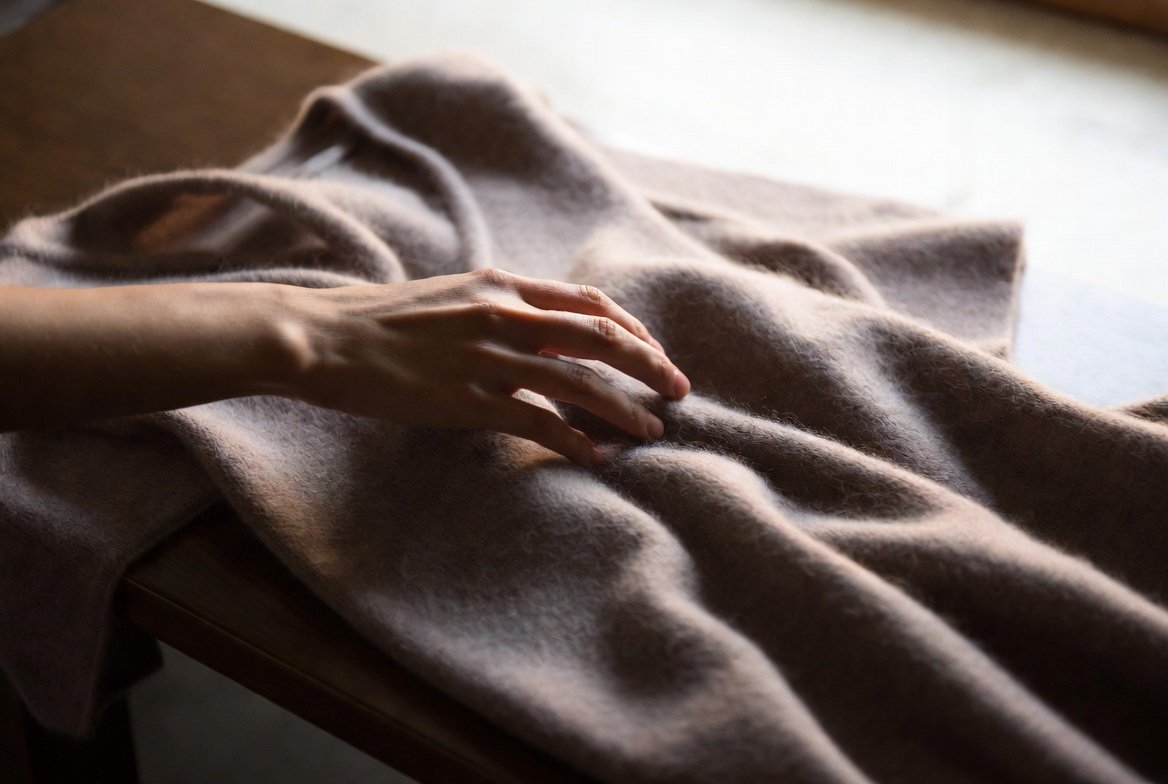
Material quality amplifies this effect through tactile experience. The human skin contains approximately 45 miles of nerve fibres, making touch one of our most sensitive and emotionally influential senses. The difference between wearing a garment made from coarse synthetic fibres and one made from fine natural fibres is not merely aesthetic preference. It is a neurological event: the quality of tactile input affects stress hormones, comfort levels, and the baseline sense of ease that shapes how we interact with the world.
Haptic Perception: Why Quality Resists Description
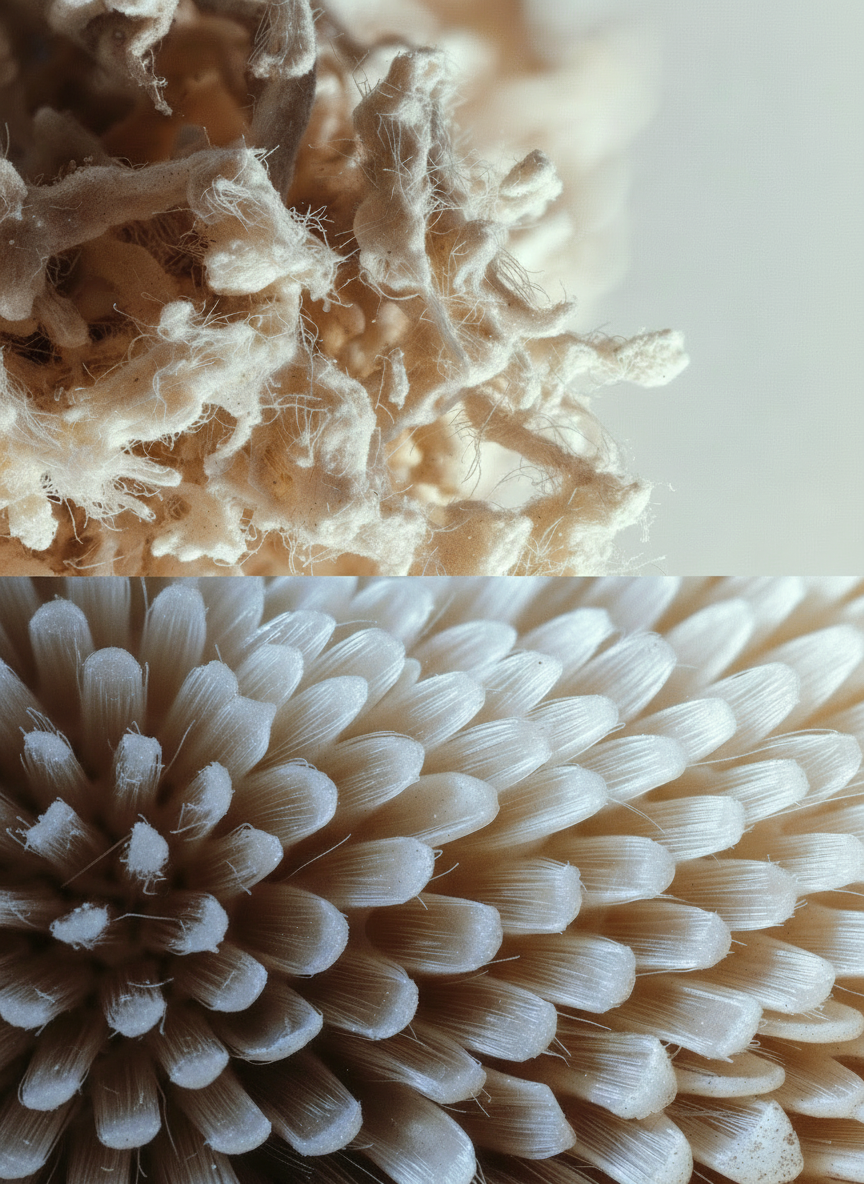
The concept of ‘haptic perception’ explains why quality materials feel different in ways that resist verbal description. When you touch a piece of handmade leather, your nervous system is processing not just the surface texture but the consistency of the tanning, the density of the fibre structure, and the subtle warmth that natural materials generate on contact. These qualities produce a sensory experience that synthetic alternatives cannot replicate, because the biological complexity of natural materials creates information that plastic polymers cannot encode.
Spatial Psychology: How Materials Shape Rooms
Spatial psychology extends the same principles to interior environments. The materials in a room — marble, wood, linen, silk — affect the occupants’ physiological state in measurable ways. Natural materials regulate humidity, moderate acoustic resonance, and produce visual textures that the human eye finds inherently restful. The estate design documented in our Estates pillar is not merely aesthetic. It is a form of environmental psychology, creating spaces that actively support the wellbeing of their inhabitants.
Material Environment as Wellbeing Infrastructure
The implications for personal style are significant. When an individual invests in fewer, higher-quality garments and objects, they are not indulging in luxury for its own sake. They are creating a material environment that supports their cognitive performance, emotional regulation, and physical comfort. The capsule wardrobe built on exceptional materials is not just a style choice; it is a wellbeing infrastructure.
In Your Wardrobe approaches material culture with this understanding. The private wardrobes, estates, and collections we document are not monuments to consumption. They are evidence of a sophisticated relationship between human beings and the objects they choose to live with — a relationship that is psychological, physiological, and profoundly personal.
|
In Your Wardrobe: Editorial Editorial Access
Join our free Atelier community to stay connected with the world of quiet luxury and private elegance. For exclusive premium content, insider features, and members-only offers from the finest luxury and lifestyle brands, explore our membership packages.
In Your Wardrobe MembershipExclusive editorial access to private wardrobes, estates, and collections of the world’s most influential individuals. Join our free Atelier community or explore Salon and Archive membership for premium content and curated brand offers. inyourwardrobe.com/membership |