The Foundation That Transforms Commodity into Artefact
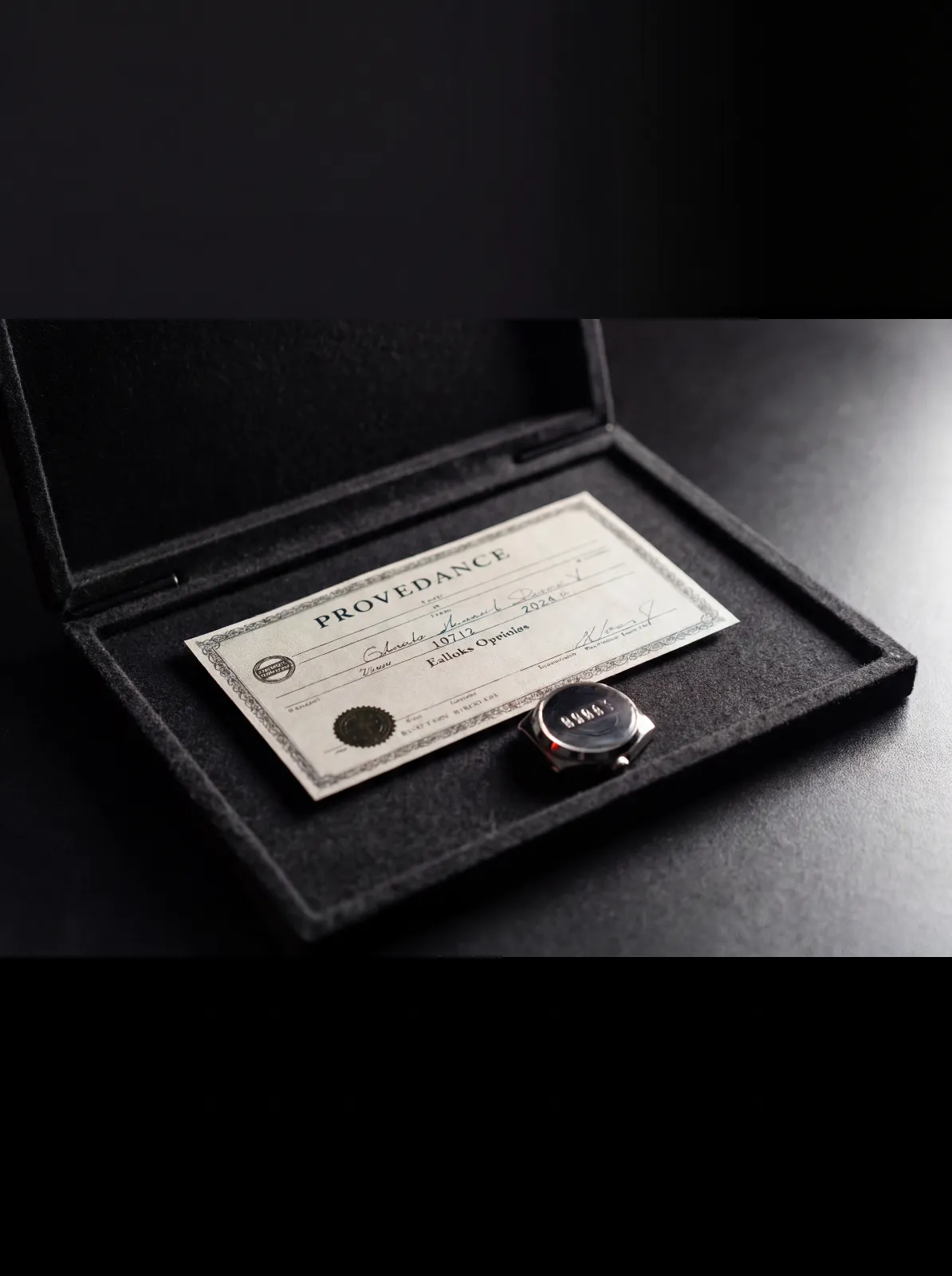
In the world of luxury collecting, provenance is not a supplementary detail. It is the foundational element that transforms an object from a commodity into a cultural artefact. Provenance — the documented chain of ownership and history that accompanies an object from its creation to the present — is what separates a valuable piece from an invaluable one, and understanding this distinction is essential to anyone who collects at a serious level.
Where It Has Been Matters as Much as What It Is
The power of provenance rests on a simple principle: an object’s significance is determined not only by what it is but by where it has been, who has owned it, and the contexts in which it has existed. A painting by a respected artist is valuable. The same painting, having passed through the collection of a legendary patron, exhibited at a landmark show, and documented in a definitive catalogue raisonné, is exponentially more significant. The physical object has not changed. Its narrative has.
Provenance in Horology: Orders of Magnitude
In horology, provenance can multiply a watch’s value by orders of magnitude. A Patek Philippe reference with standard provenance may sell for a substantial sum. The same reference, documented as having been purchased by a historical figure, maintained in continuous family ownership, and accompanied by original papers, box, and service records, may achieve a price ten or twenty times higher at auction. The mechanism is identical. The story is not.
Fashion Collecting and Biographical Documentation
Fashion collecting has increasingly recognised provenance’s importance. A vintage couture garment accompanied by documentation of its original commission — fitting photographs, correspondence with the house, the name of the première who oversaw its construction — possesses a biographical dimension that transforms it from a beautiful object into a historical document. The garment becomes a chapter in the history of the house, the client, and the era.

Provenance Verification as Forensic Discipline
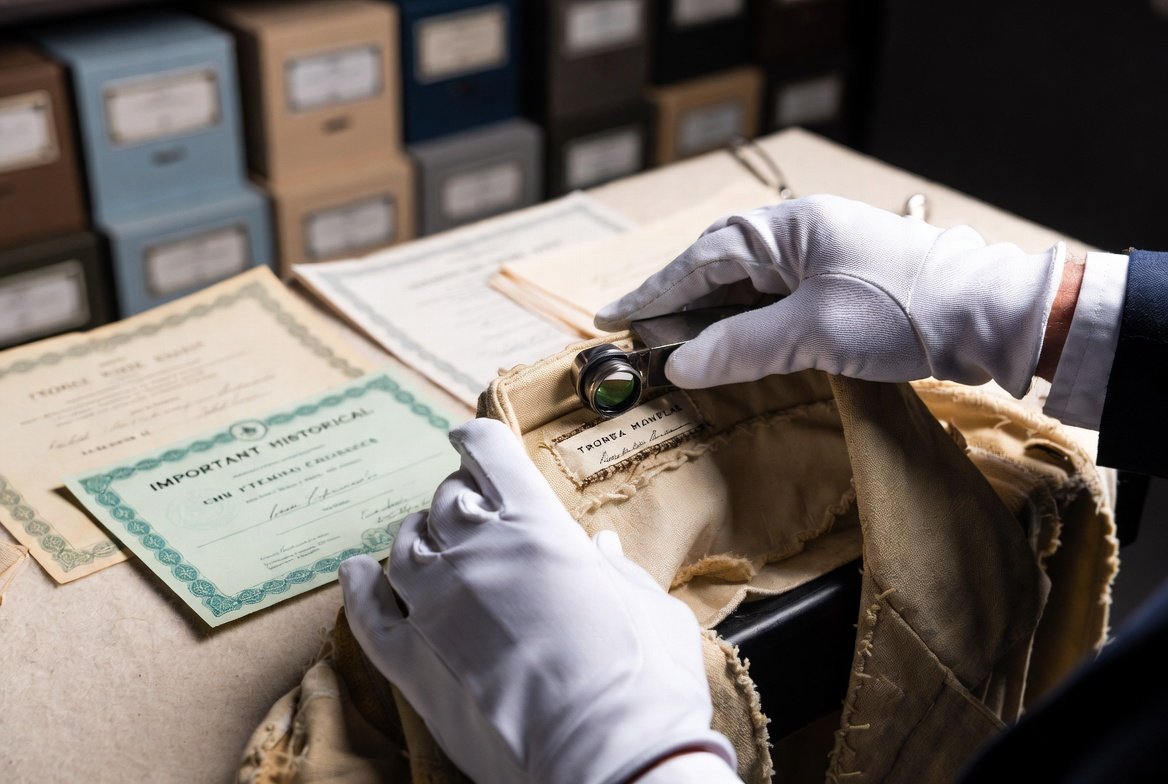
Provenance verification is a discipline in itself. At the most serious levels, collectors employ specialists who investigate an object’s history with forensic thoroughness: examining physical evidence (materials, construction techniques, ageing patterns), documentary evidence (receipts, catalogues, exhibition records, insurance documents), and testimonial evidence (statements from previous owners, dealers, and experts). The goal is to establish an unbroken chain of custody from creation to the present.
Digital Provenance: Blockchain and the Future
The digital era has introduced new tools and new challenges to provenance management. Blockchain-based authentication systems offer the promise of immutable provenance records. Digital cataloguing makes comprehensive documentation more accessible. But the fundamental human element — the relationships between collectors, dealers, and institutions that form the social infrastructure of provenance — remains irreplaceable.
At In Your Wardrobe, provenance is central to our Collection pillar. We document not just what the world’s elite collect but the stories that accompany their collections, understanding that in luxury collecting, the story is inseparable from the object itself.
|
In Your Wardrobe: The Collection Editorial Access
Join our free Atelier community to stay connected with the world of quiet luxury and private elegance. For exclusive premium content, insider features, and members-only offers from the finest luxury and lifestyle brands, explore our membership packages.
In Your Wardrobe MembershipExclusive editorial access to private wardrobes, estates, and collections of the world’s most influential individuals. Join our free Atelier community or explore Salon and Archive membership for premium content and curated brand offers. inyourwardrobe.com/membership |